
Campsite Wi-Fi installation and repair
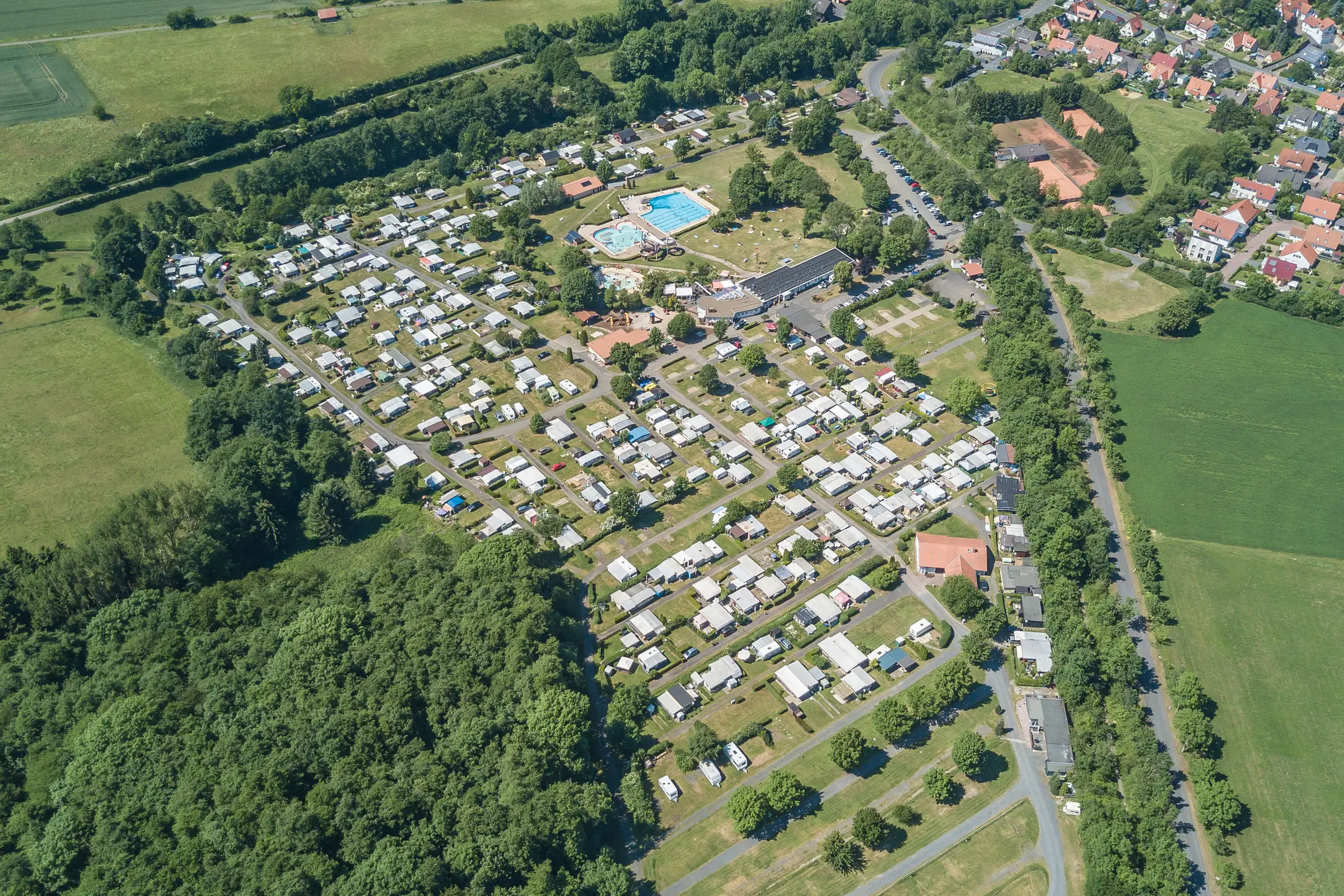
We survey, install and repair Wi-Fi networks on campsites and holiday parks in Luxembourg and the Greater Region: pitches, mobile homes, shower blocks, reception and pool.
A consultancy based in Bettembourg, founded by an engineer certified CWNE #536: fewer than 600 experts worldwide hold this title.
The obstacles particular to a campsite
A campsite combines the things Wi-Fi copes with least well: distance, vegetation, metal and a seasonal crowd.
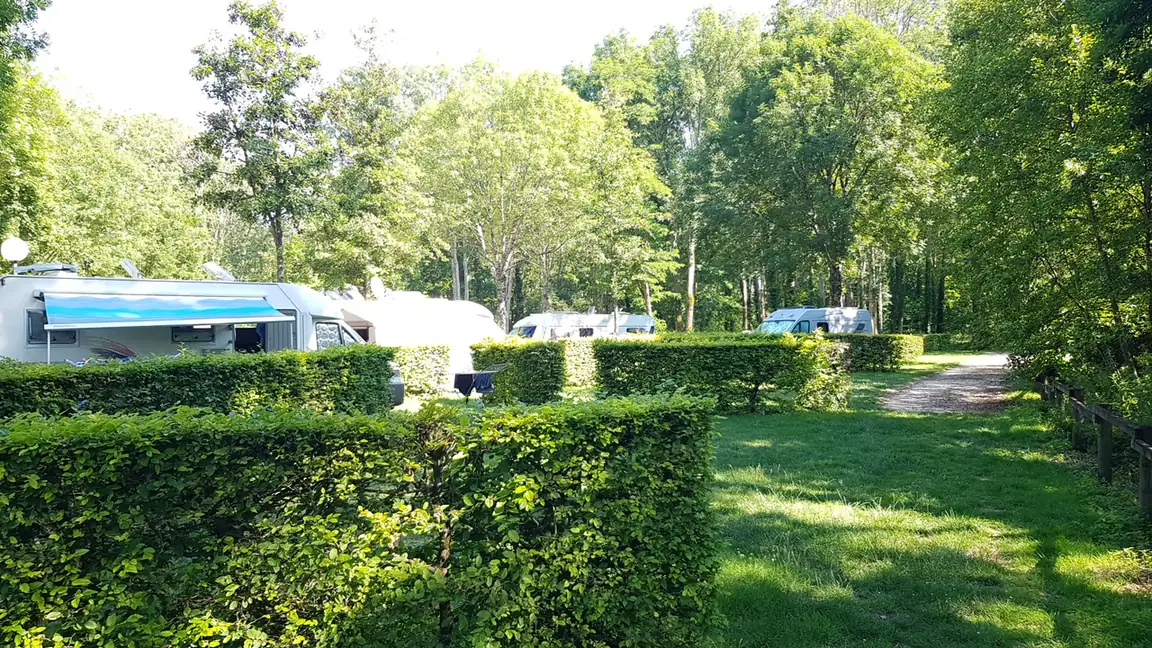
Tree cover
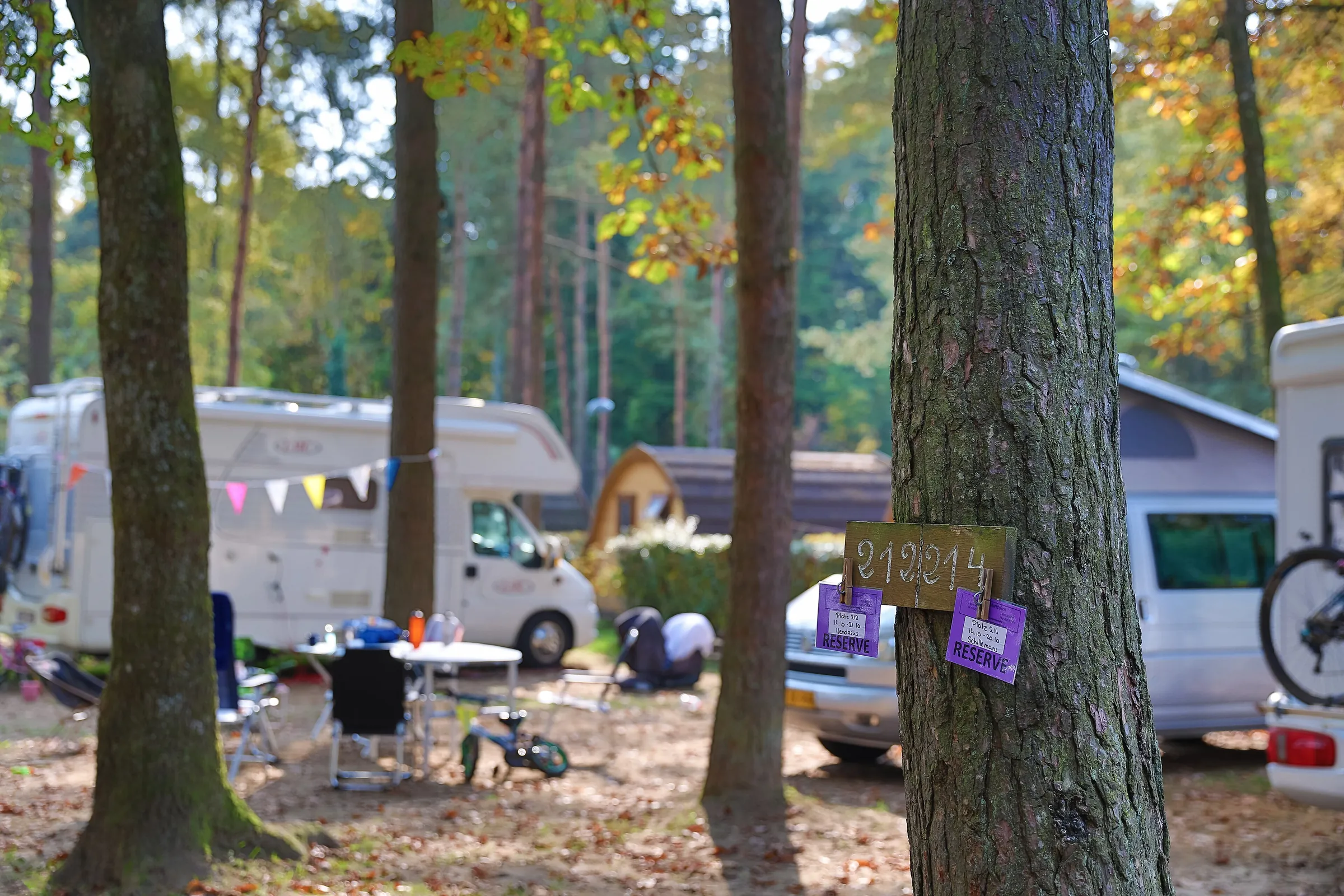
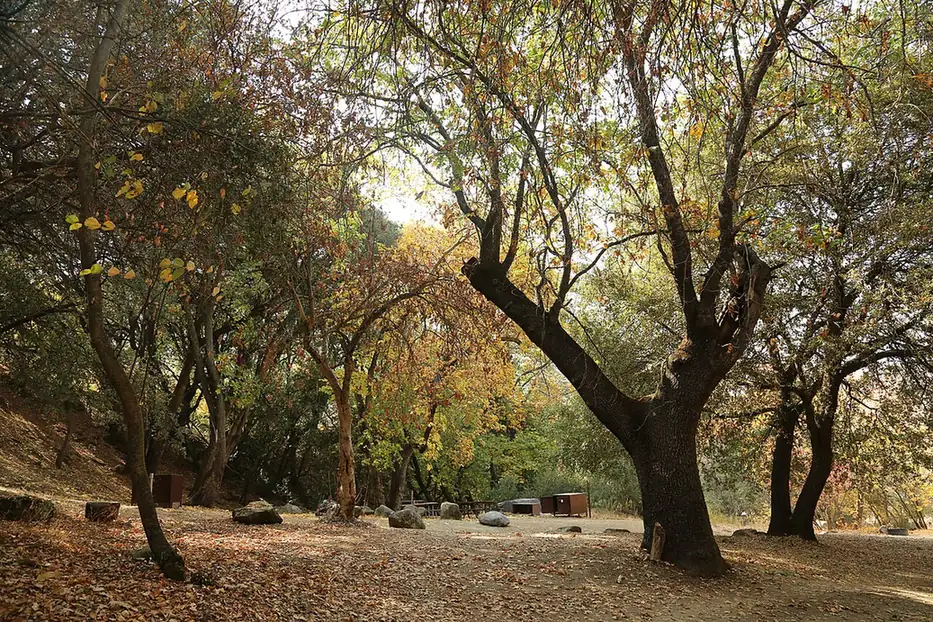
Foliage absorbs the signal, more so when it is wet and more at 5 GHz than at 2.4 GHz.
Mobile homes and caravans
Their sheet-metal walls or foil-backed insulation panels stop much of the signal.
Distances
A copper network cable carries 100 metres. Beyond that, you need fibre or a wireless link.
Peak season
In August, every pitch connects several devices, mostly in the evening.
Installation, the survey before the first trench
We start from the site plan and an on-site survey, done when the trees are in leaf. A test access point on a mast measures the real signal right into the accommodation. The survey sets the number of access points, the mast heights and the cable routes, all calculated for August occupancy.

Fibre or wireless link between buildings
Reception, the shower blocks, the restaurant and the pool must be linked to each other before they broadcast Wi-Fi.
Optical fibre
The most durable choice when ducts exist or a trench is planned.
Point-to-point wireless link
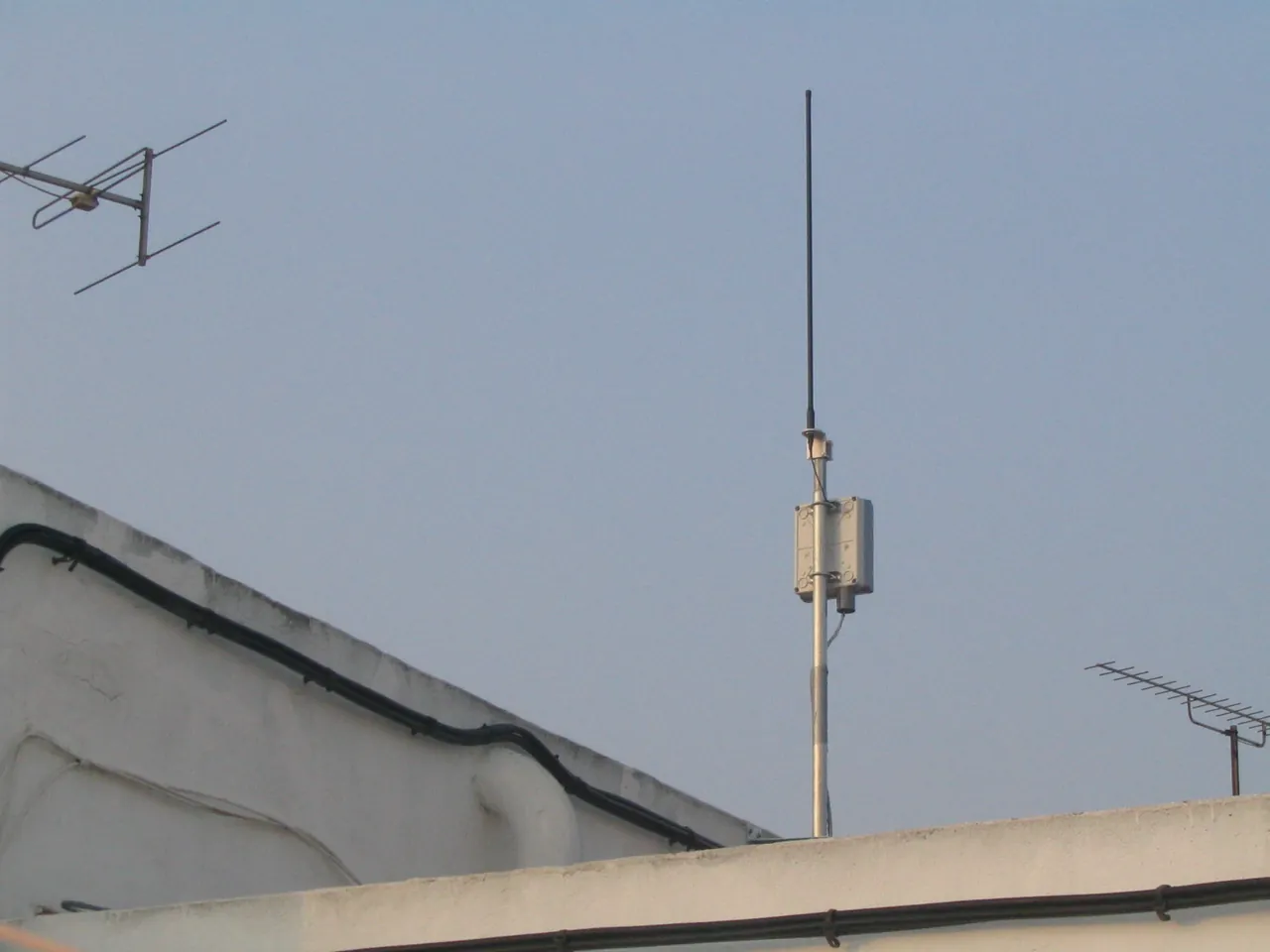
Two antennas in sight of each other, with nothing between them. It avoids groundworks.
Copper
Kept for runs of under 100 metres, between a building and its access point.
Outdoor access points powered over the network cable
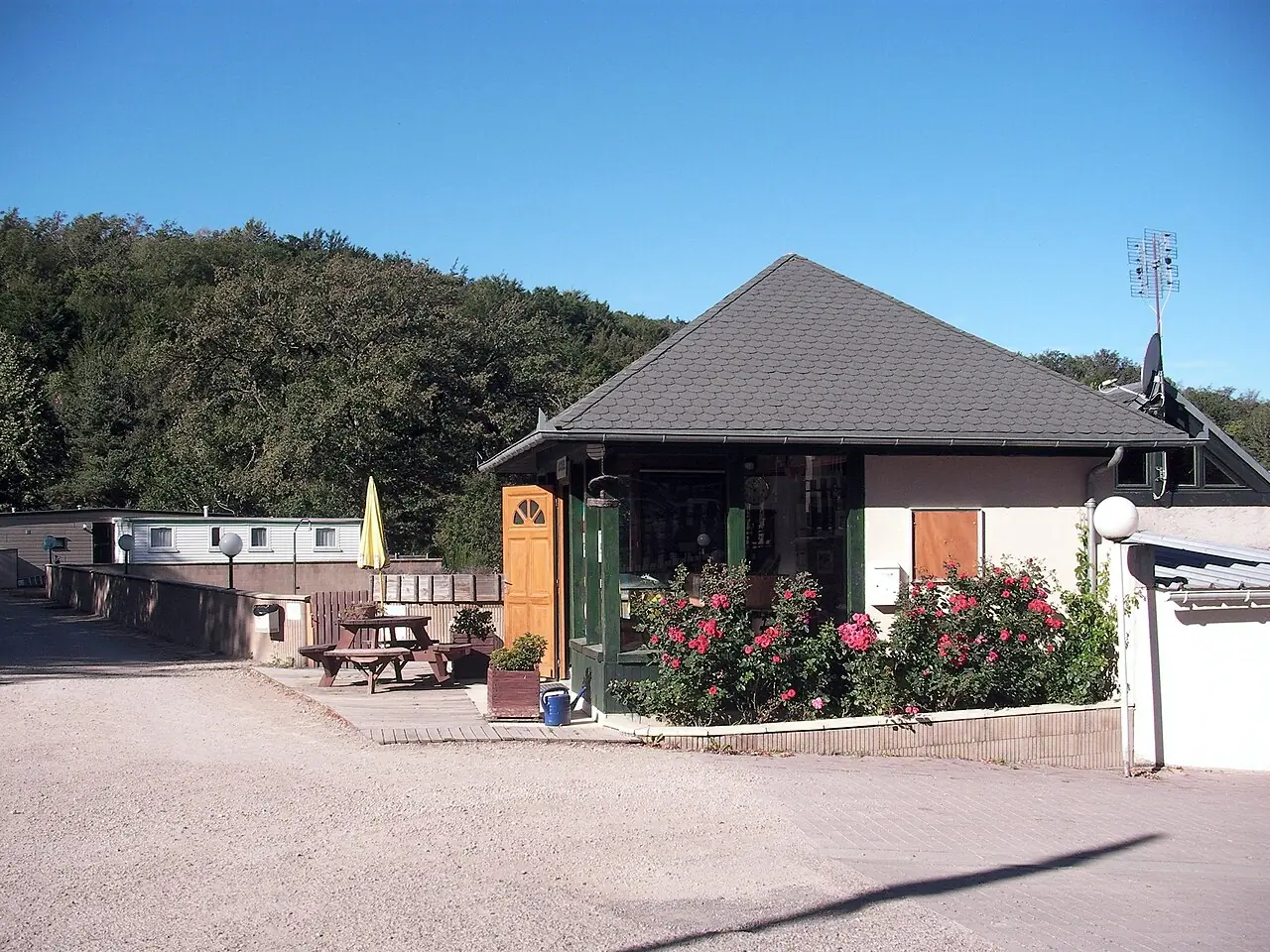
The access points are weatherproof outdoor models, fixed to a mast or a wall. One cable brings them data and power (PoE), so there is no mains socket to run to the foot of the mast. Directional antennas aim the signal down the lanes, and every outdoor line gets lightning protection.

Guest portal and access management
Guests connect through a page in your colours.
Access codes
Handed out at reception, valid for the length of the stay.
Offers
Free access, paid access at a higher speed, or both.
Fair sharing
A maximum speed per device, so that one pitch cannot take the whole link.
Management network
Reception, payments, the barrier and cameras on a network separate from guests.
Remote monitoring through the season
Every access point and every link reports its status. An access point offline, a saturated link or an overloaded area raises an alert before a guest reports it at reception. Updates and deeper changes are made out of season.

Troubleshooting, getting the network back up
When the Wi-Fi goes down in season, we look for the fault in a fixed order, from the widest to the most local.
Internet link
Whether the operator's line is working, and at what real speed.
Core network
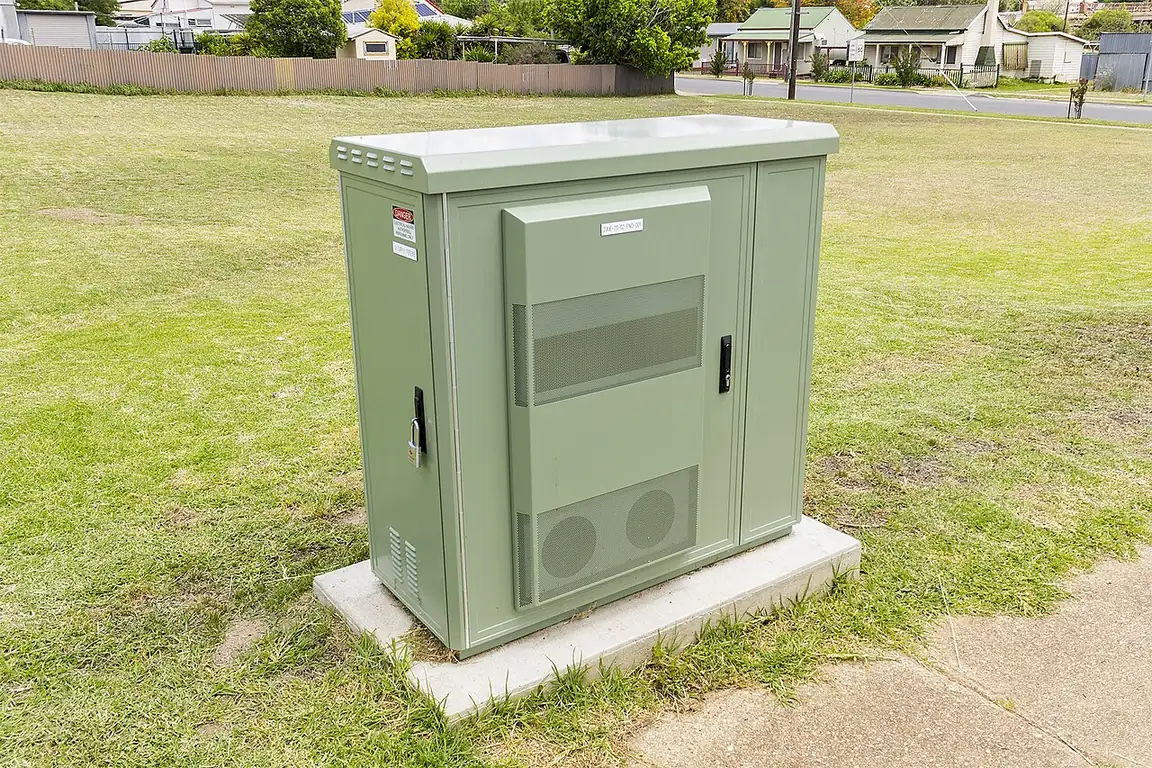
Router, switches, power to the access points.
Links
A cut fibre, an antenna knocked out of alignment or hidden by vegetation.
Access points
Dead hardware, a saturated channel, lost settings.
Portal and addresses
A blocked portal, or no address left for new devices.
The most common campsite faults
Most faults come from the outdoors and the age of the installation, and seldom from the radio equipment alone.
Water and lightning
A flooded enclosure or connector, a port destroyed by a power surge.
Damaged cable
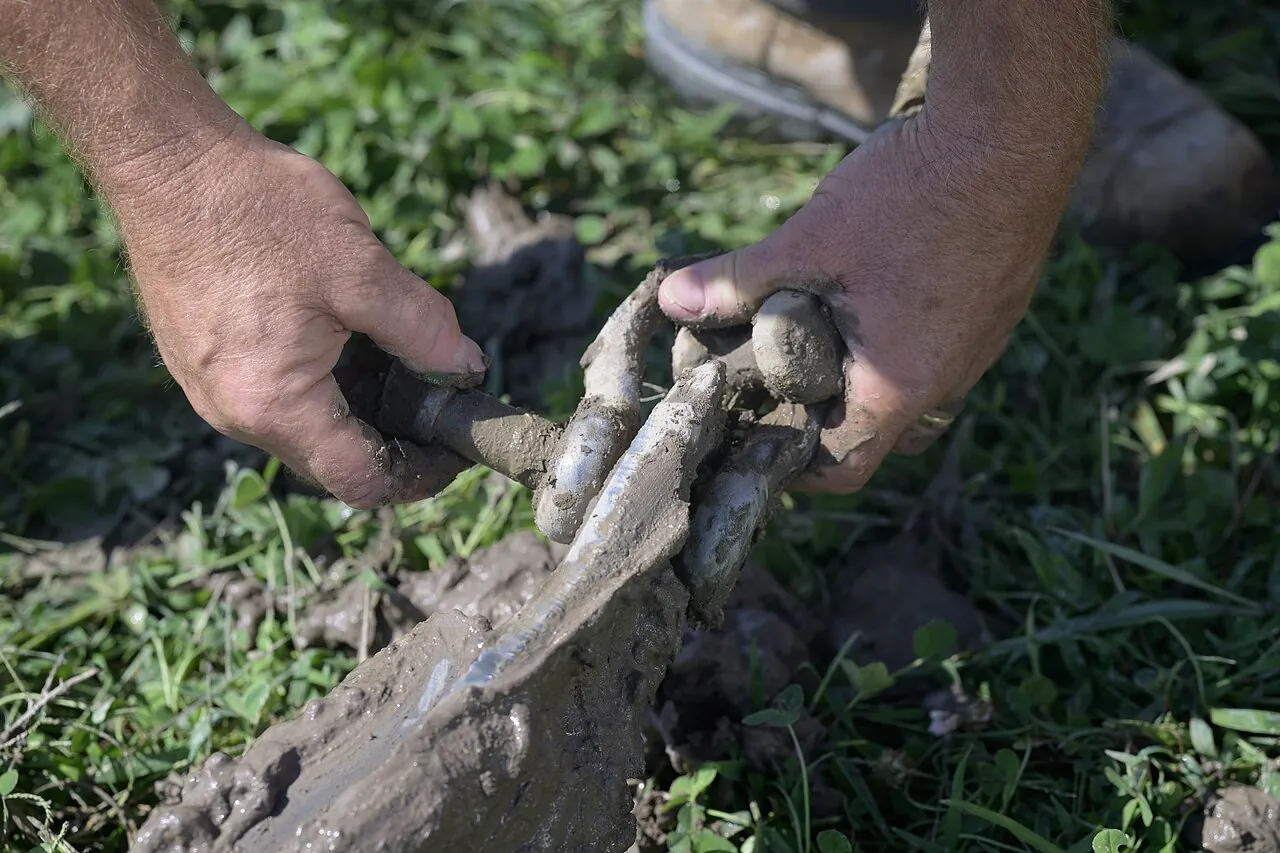
Building work, a mower, rodents.
Vegetation
A wireless link fitted in winter, cut off by leaves in summer.
Saturation
An internet link sized for the early season, overwhelmed in August.
Upgrading an ageing installation
An old installation does not always need replacing in full. The survey shows what can stay: ducts, fibre, masts, cables in good condition. The rest is upgraded in phases, out of season, starting with the areas guests complain about most. You receive an access point layout, the measured coverage heatmaps and the network diagram.
Questions about campsite Wi-Fi
Why does Wi-Fi not reach inside mobile homes and static caravans?
Because their walls stop radio waves. Sheet metal, foil-backed insulation panels and some coated glazing form a screen between the access point and the inside. A good signal in the lane can become unusable once the door is shut. The answer depends on the site: move access points closer to the accommodation, aim them at the windows, or equip the mobile homes themselves. Only a measurement indoors can settle it.
How many access points does a campsite need?
No figure per pitch is reliable. The number depends on the area, how dense the trees are, the share of mobile homes, the terrain and peak-season occupancy. Two campsites of the same size can need very different installations. An on-site survey, with a test access point on a mast, gives the number and position of the access points before anything is bought.
Fibre or wireless bridge between reception and the shower blocks?
Fibre is the choice when a duct exists or a trench is already planned: neither rain nor vegetation affects it. A wireless bridge suits sites where digging costs too much, provided the two antennas see each other with nothing in the way, summer foliage included. It goes up with no groundworks, but the line of sight needs checking every year, because trees grow.
Can we offer free Wi-Fi and a paid option?
Yes. The guest portal runs several plans on one network: free access at limited speed, enough for messaging, and paid access at a higher speed for video. Codes are handed out at reception and expire at the end of the stay. The internet link has to be sized for the offer you sell, otherwise paying guests will be the first to be disappointed.
What should we do when the Wi-Fi goes down in peak season?
First note what is affected: the whole campsite, one area or a single building, and since when. Check that internet access works at reception with a computer plugged in by cable. Then call us with this information: it points the diagnosis towards the operator's line, a link or an access point. An installation that is monitored remotely lets us locate the fault before travelling.
What time of year is best for the work?
The survey is best done when the trees are in leaf, between late spring and early autumn, because foliage changes the coverage. The work is done out of season, when the pitches are empty and trenches are in nobody's way. A survey carried out in summer leaves autumn and winter to install, then test before opening.