Event Wi-Fi: anticipate
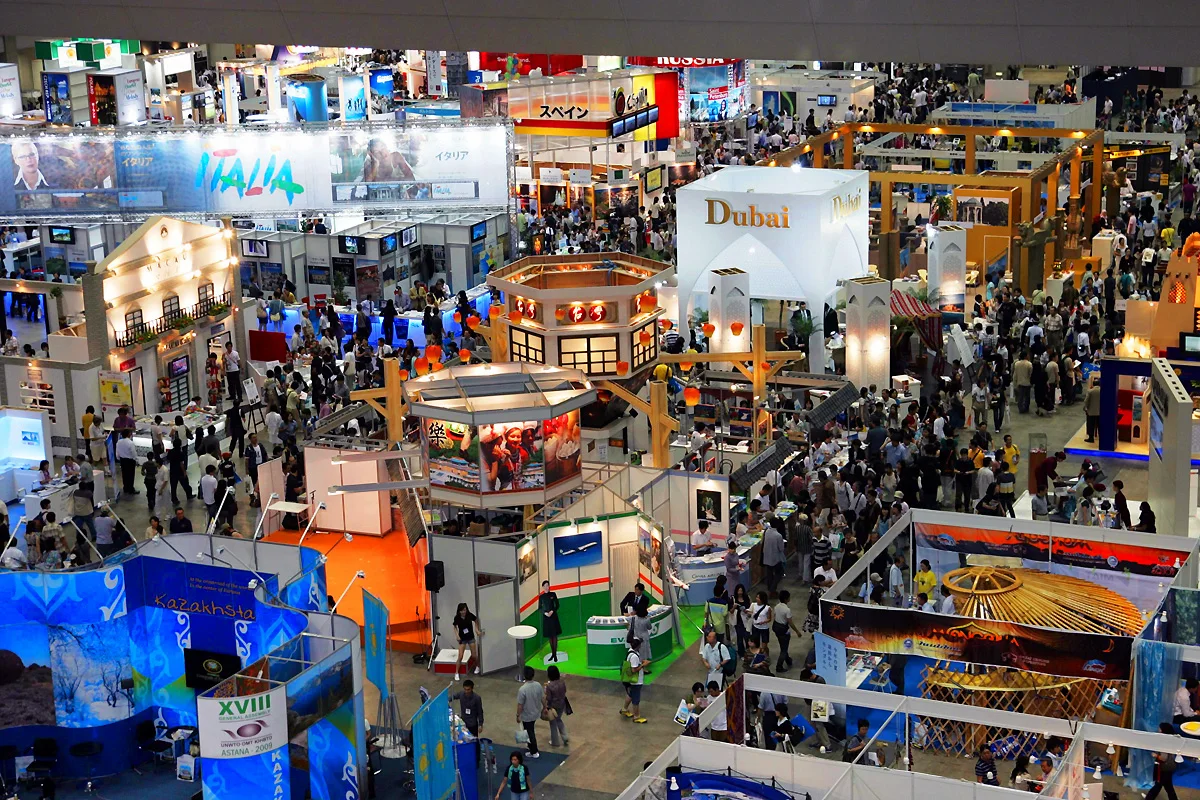
The room is full, the speakers are ready, the sponsors have paid to be visible online. And now, the Wi-Fi is crashing. Participants can no longer tweet, journalists can no longer send their files, and the live stream pixelates in front of thousands of viewers.
This scenario, every event organizer dreads. And yet, it remains one of the most common — because event Wi-Fi is treated as a formality, while it is one of the most complex infrastructures to deploy.
A temporary network, but permanent requirements
Event Wi-Fi has nothing to do with the fixed network of an office or hotel. It must meet radically different constraints:
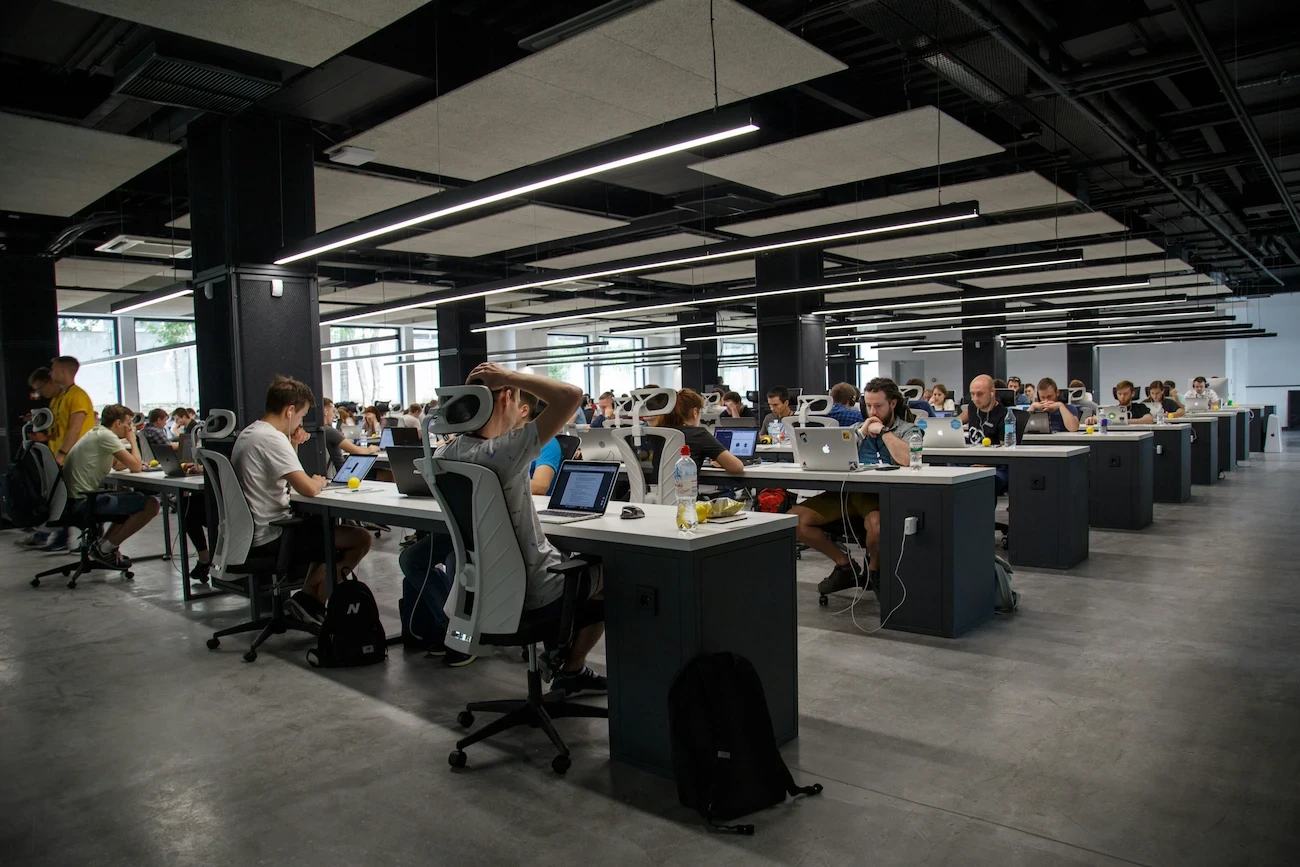
The density is extreme and sudden. Within minutes, several hundred to several thousand people connect simultaneously in a limited space. Each with a smartphone, sometimes a laptop, sometimes a tablet. The network goes from zero to saturation in a few seconds.
The venue is often unsuitable. Convention halls, exhibition halls, tents, heritage spaces… These venues were not designed to accommodate a dense network infrastructure. Thick walls, metal beams, and high ceilings complicate signal propagation.
The duration is short, but the stakes are high. There is no room for error. No "we'll fix it tomorrow." If the network malfunctions on the day of the event, there is no second chance.
Critical variables to anticipate
A good event Wi-Fi deployment starts well before the event day. Here are the essential questions to ask from the design phase:
How many participants? It is not the number of people that counts, but the number of devices connected simultaneously. On average, expect 1.5 to 2 devices per participant.
What usages? Web browsing and social networks, video conferencing, streaming, large file downloads, business applications… Each use has a different impact on the network. A press event does not have the same needs as a corporate seminar.
What infrastructure is on-site? Available internet connections (fiber, 4G backup), electrical power points, options for securing access points — all constraints to evaluate in advance.
Are there priority uses? Technical management, live streaming, accredited press, ticketing systems… Some uses cannot afford degradation. They must be isolated on a dedicated network with guaranteed bandwidth.
Mistakes that take down the network on the event day
Relying on the venue's Wi-Fi. Most event venues offer "included" Wi-Fi. It is designed for a few dozen users, not for several hundred. It will be saturated as soon as the doors open.
Underestimating the number of access points. A public Wi-Fi access point can theoretically connect 50 devices. In practice, in a dense environment, one quickly drops below 20 stable connections. The calculation must be realistic.
Neglecting cabling and power supply. Access points without sufficient structured cabling or without redundant power supply are hidden failure points that always reveal themselves at the worst moment.
Not testing before opening. A deployment without field validation — coverage measurements, load tests, simultaneous use simulation — leaves too much to chance.
Your next event deserves a network that matches its stature
At Meltwain, we design and deploy temporary Wi-Fi infrastructures for conferences, trade shows, seminars, and corporate events in Luxembourg and Europe. Each deployment undergoes a preliminary study, professional installation, and on-site validation before opening.
Our founder is certified CWNE #536 — because a successful event leaves nothing to chance.
👉 Discover our event Wi-Fi expertise
Meltwain is a Wi-Fi expertise company based in Luxembourg, certified CWNE, Ruckus Elite, Cisco partner and Ubiquiti training center.